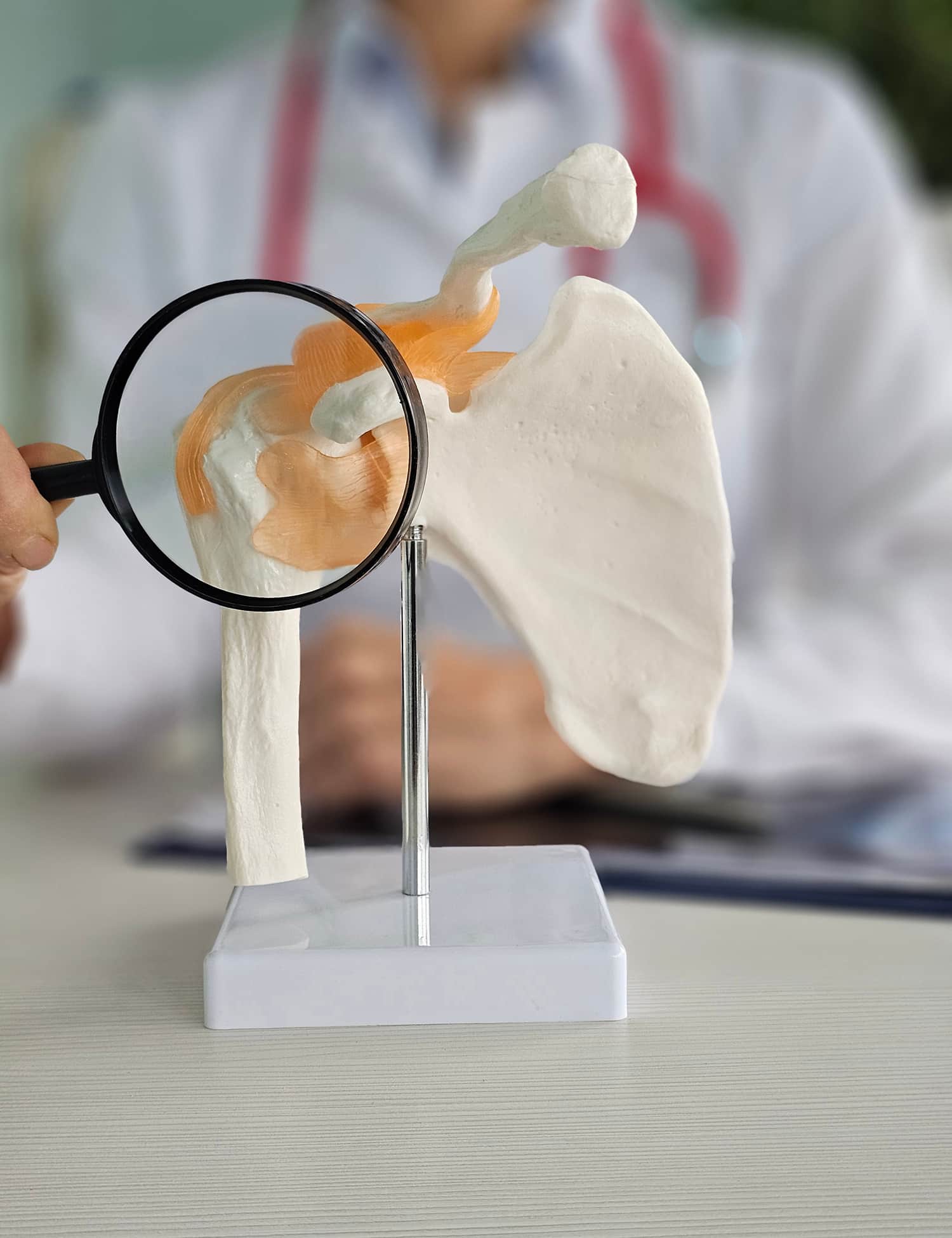
When Shoulder or Elbow Pain Starts to Disrupt Daily Routines
A persistent ache, stiffness when reaching overhead, pain when lifting, or an elbow that flares up with gripping and twisting can be easy to dismiss at first, but harder to ignore over time. As the discomfort continues, you might find yourself working around it in small ways, such as avoiding certain movements, easing off sport, changing how you carry things, or relying more on the other arm.
However, these adjustments can gradually affect how the shoulder, elbow, forearm, and wrist work together. What begins as a localised problem can start to interfere with strength, control, and confidence during everyday tasks, especially when the pain keeps returning or your range of motion doesn’t fully recover. This is why it’s important to identify the true source of pain through experienced clinical assessment and judgement by an orthopaedic specialist.
Experience That Guides the Decision
When shoulder or elbow pain starts affecting simple movements, it can quickly disrupt the way you work, exercise, rest, and move through the day. Reaching overhead, lifting a bag, gripping firmly, twisting the forearm, or sleeping on the affected side can become difficult when pain, stiffness, weakness, or instability keeps coming back. Because these symptoms can stem from different underlying causes, including rotator cuff problems, frozen shoulder, tendon injuries, or joint instability, the right next step depends not only on the treatment offered, but also on the clinical judgement guiding the decision.
Here at Oxford Orthopaedics, shoulder and elbow care is guided by specialist orthopaedic training, subspecialty experience, and careful clinical judgement in conditions affecting the upper limb. This matters when similar symptoms reflect very different problems, as a more experienced assessment can help identify what’s driving the pain, which structures are involved, and how each finding should be interpreted in context.
For patients with persistent symptoms, recurring pain despite rest, or an existing treatment recommendation they would like to better understand, a careful specialist review can provide useful perspective before the next step is taken. In these situations, the assessment can help clarify what’s causing the problem, how it’s affecting shoulder or elbow function, and which issues should be addressed first before a treatment plan is recommended.
Dr James Wee is the Medical Director of Oxford Orthopaedics and a Senior Consultant Orthopaedic Surgeon with over 20 years of clinical experience. Dual fellowship trained in Hip & Knee surgery and Foot & Ankle surgery; he completed advanced training at Oxford University Hospitals and the Royal National Orthopaedic Hospital in London. He was also trained in the Oxford Partial Knee System by the inventor surgeons in Oxford.
This is reflected in a lower limb practice with a strong focus on partial knee replacement, while his hip and knee work also includes complex reconstruction, with robotic technology used where appropriate to support what’s best suited to each patient’s needs. His expertise also extends to minimally invasive surgery (MIS) for the foot and ankle, including bunion correction and ankle ligament work. In this area, he is also one of the specialists involved in developing the MIS Lasso technique.
Once the problem has been properly assessed, care is planned according to the condition, its severity, and the way it’s affecting your lifestyle. Where appropriate, treatment begins conservatively. This might include activity modification, a sling, brace, or support where suitable, rehabilitation to restore movement and strength, medication, or injections.
If symptoms persist, function is affected, or the problem is less likely to improve on its own, a surgical procedure might then be discussed. Even then, the aim is to address the underlying problem as precisely as possible while preserving healthy tissue and joint function, with minimally invasive techniques considered first where suitable.
Shoulder and Elbow Conditions We Assess and Treat
Shoulder and elbow conditions can present in different ways, and they don’t always affect daily life in the same way. For some, it might be pain when reaching overhead, stiffness that limits movement, or weakness when lifting. For others, it might be pain with gripping or twisting, recurring instability, or discomfort that affects the forearm or wrist during daily tasks. With this in mind, the conditions we commonly assess and treat can be grouped across two broad areas:
Shoulder Concerns
Rotator cuff injuries and tears
Shoulder impingement
Frozen shoulder
Shoulder instability and dislocation
Shoulder labral injuries
Acromioclavicular joint (ACJ) injuries
Shoulder arthritis
Shoulder fractures and trauma
Elbow Concerns
Tennis elbow
Golfer’s elbow
Elbow ligament injuries
Elbow instability
Elbow stiffness
Biceps and triceps tendon injuries
Elbow arthritis
Elbow fractures and trauma
If pain persists, movement remains restricted, or symptoms keep returning despite rest, it’s often a sign that the problem should be thoroughly assessed. As shoulder or elbow symptoms begin to affect reaching, lifting, gripping, sport, sleep, or daily routines, the question is no longer just how to cope with the discomfort, but whether the underlying problem needs a more considered level of care. In some cases, this might also be the stage at which surgery needs to be considered.
Navigating the administrative side of healthcare can be complex, so our dedicated team aims to simplify this process, allowing you to focus on your recovery. Oxford Orthopaedics works closely with insurers throughout the claims and billing stages to help facilitate a smoother, more comfortable experience.
Because your coverage depends on your specific policy, we provide hands-on assistance for those under Integrated Shield plans (with private hospital riders) or Corporate Insurance plans. This includes helping you apply for a Letter of Guarantee (LOG) or a Pre-authorisation certificate, as well as working directly with surgical centres to help process medical claims on your behalf.
Our Recognised Insurance Partners
Intergrated Shield
Corporate Insurance
Book Your Appointment
If your shoulder or elbow pain isn’t improving, or has started to affect the way you work, exercise, rest, or manage daily routines, it might be time to have it properly assessed. What feels manageable at first can become more disruptive over time, especially when pain, stiffness, weakness, or instability keeps returning.
In these situations, a specialist consultation matters because shoulder and elbow symptoms can come from different underlying causes. A closer assessment can help clarify what’s driving the problem, how it’s affecting movement and function, and whether the symptoms are likely to improve with conservative care or require further treatment. Where needed, clinical assessment and imaging can add clarity, so recommendations are made with a clearer understanding of the condition and its impact on your daily life.
Complete the form below to arrange a consultation with our Oxford Orthopaedics specialist today.