High-Arched Feet

Visit us for a comprehensive diagnosis and personalised treatment plan.

What are high-arched feet (pes cavus)?

The arches in our feet exist to help us maintain balance and adapt to various walking surfaces. They develop on their own once we begin walking during childhood. However, some people have been known to develop arches that are much higher than in a normal foot.

High-arched feet, also known as cavus feet or pes cavus, is a condition where the arch of the foot is higher than it should be. This causes excessive weight to be put on the ball and heel of the foot, leading to symptoms like pain and instability.

To check if you have high-arched feet, take a look at your footprint. You can do this by wetting your feet and standing on a large piece of paper. If there is a gap or only a very narrow connection between the imprints left by the balls of your feet and your heels, then you very likely have high-arched feet.

What causes high-arched feet?

For some, high-arched feet are a hereditary trait that develops during their childhood.

However, this condition can also be caused by a number of underlying conditions, such as:

Most of these are neurological problems that lead to imbalances in the foot muscles, and should be diagnosed early. Hence, if you have high-arched feet, it is recommended that you visit a doctor to rule out the possibility that you have one of these disorders.

What are the symptoms of high-arched feet?

Common symptoms of high-arched feet include:

What are the complications of having high-arched feet?

High-arched feet can sometimes be an early sign of an underlying disorder, such as cerebral palsy or muscular dystrophy.  These should be diagnosed and treated as early as possible.

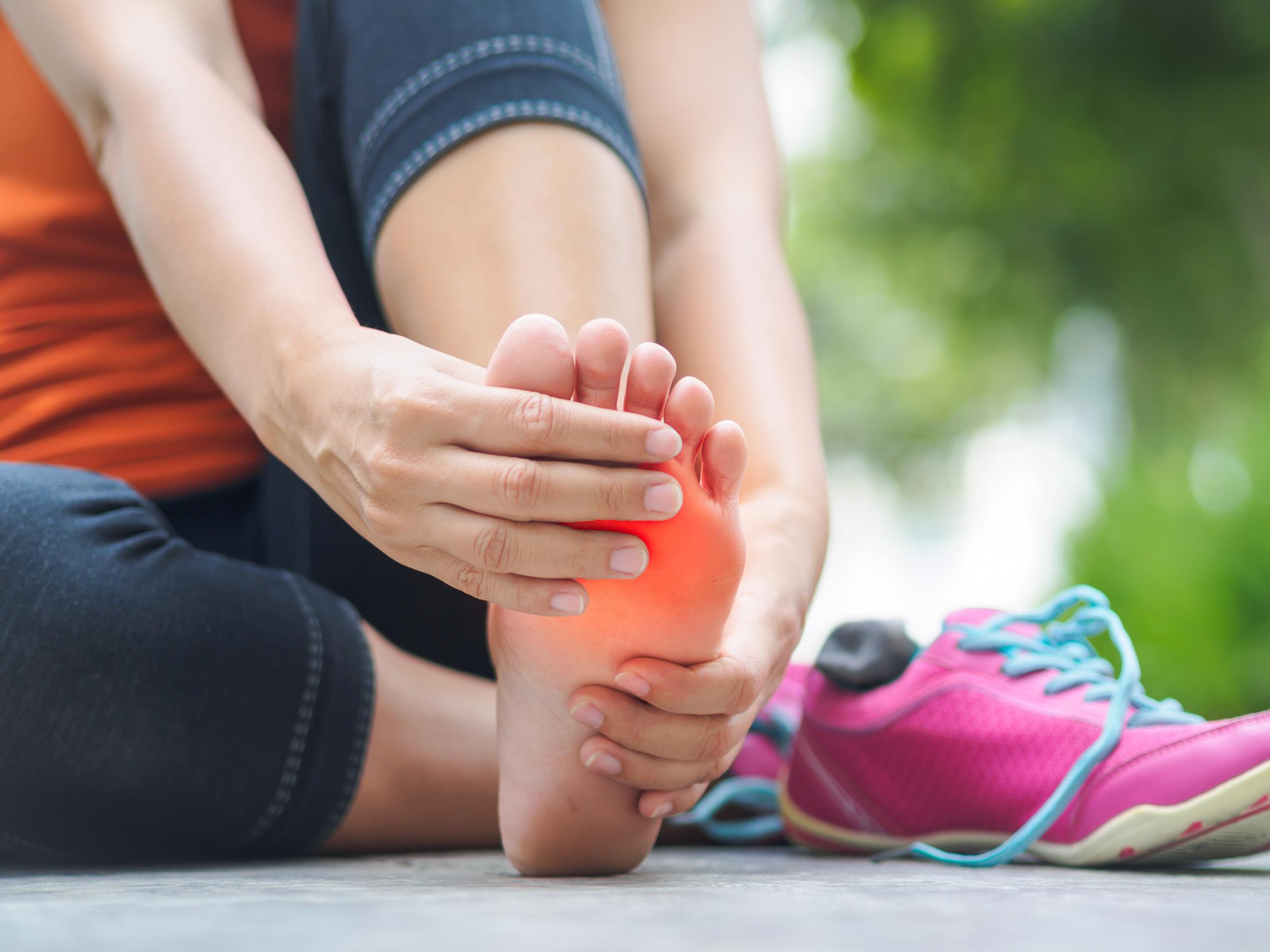
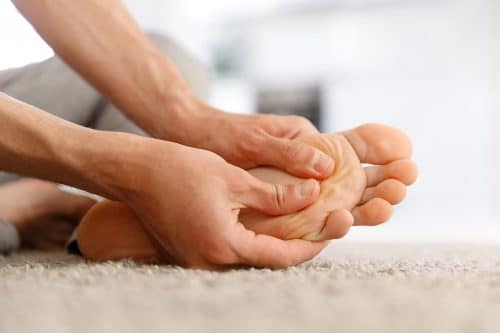
Even if you do not have one of these underlying conditions, high-arched feet can often cause discomfort or pain, which makes moving around difficult for those with this condition. While this pain is usually localised in the feet, it will sometimes radiate upwards to the ankles, knees, hips, and even the lower back.

Several treatment options are available if you find that your high-arched feet are causing you pain and affecting your quality of life.

Is walking barefoot bad for people with high-arched feet?

Many people are accustomed to going barefoot at home, and this can be beneficial when it comes to soft surfaces like carpeting.  It can improve circulation and even help with strength and flexibility in the feet.

The problem arises when standing or walking around barefoot on hard surfaces for long periods at a time.  Without proper support for the arches of your feet, you are likely to experience heel pain or plantar fasciitis, which is the inflammation of a band of tissue located at the bottom of the foot.
How are high-arched feet diagnosed?

First, your doctor will ask about your family history to determine whether or not your high-arched feet are a genetic trait.

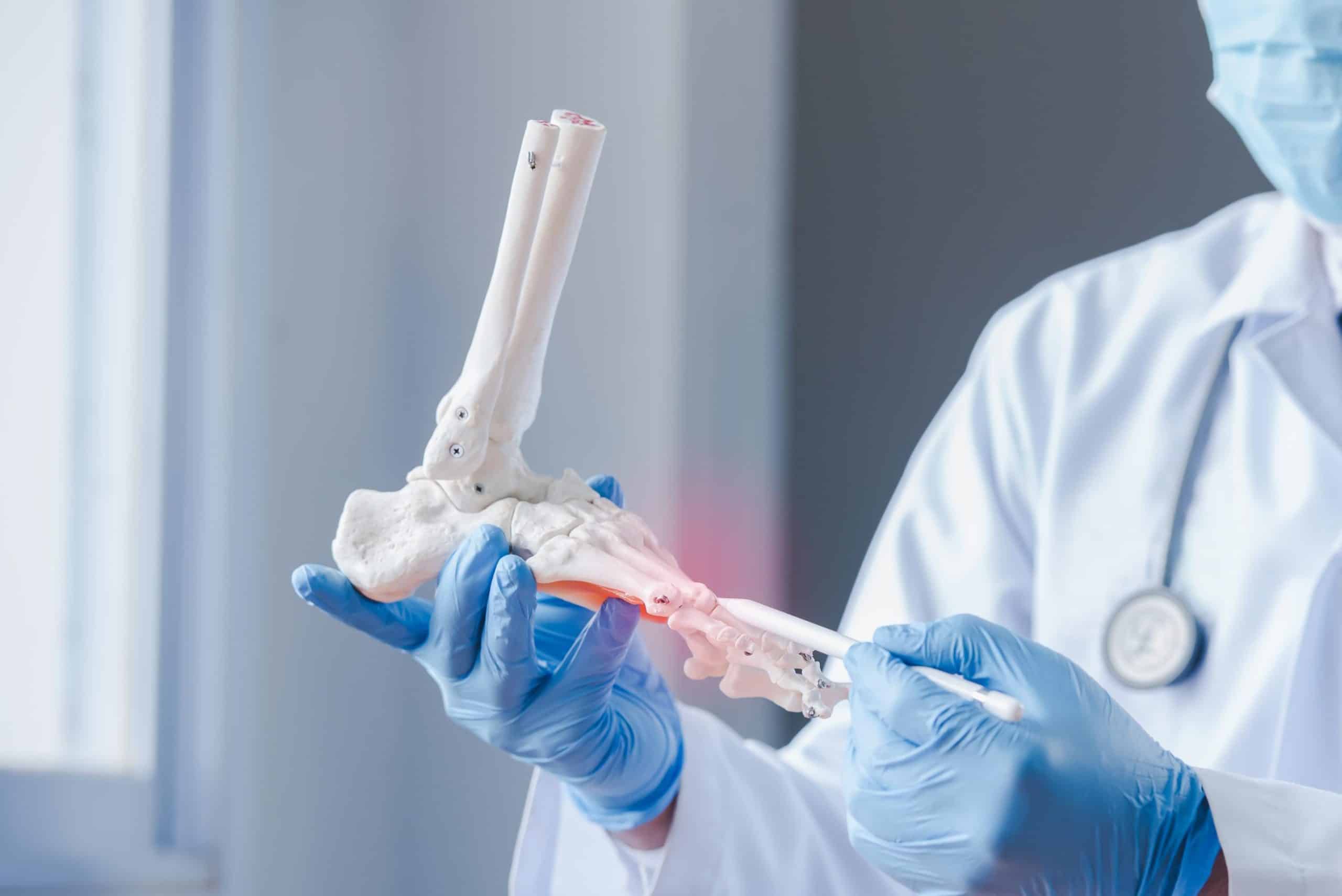
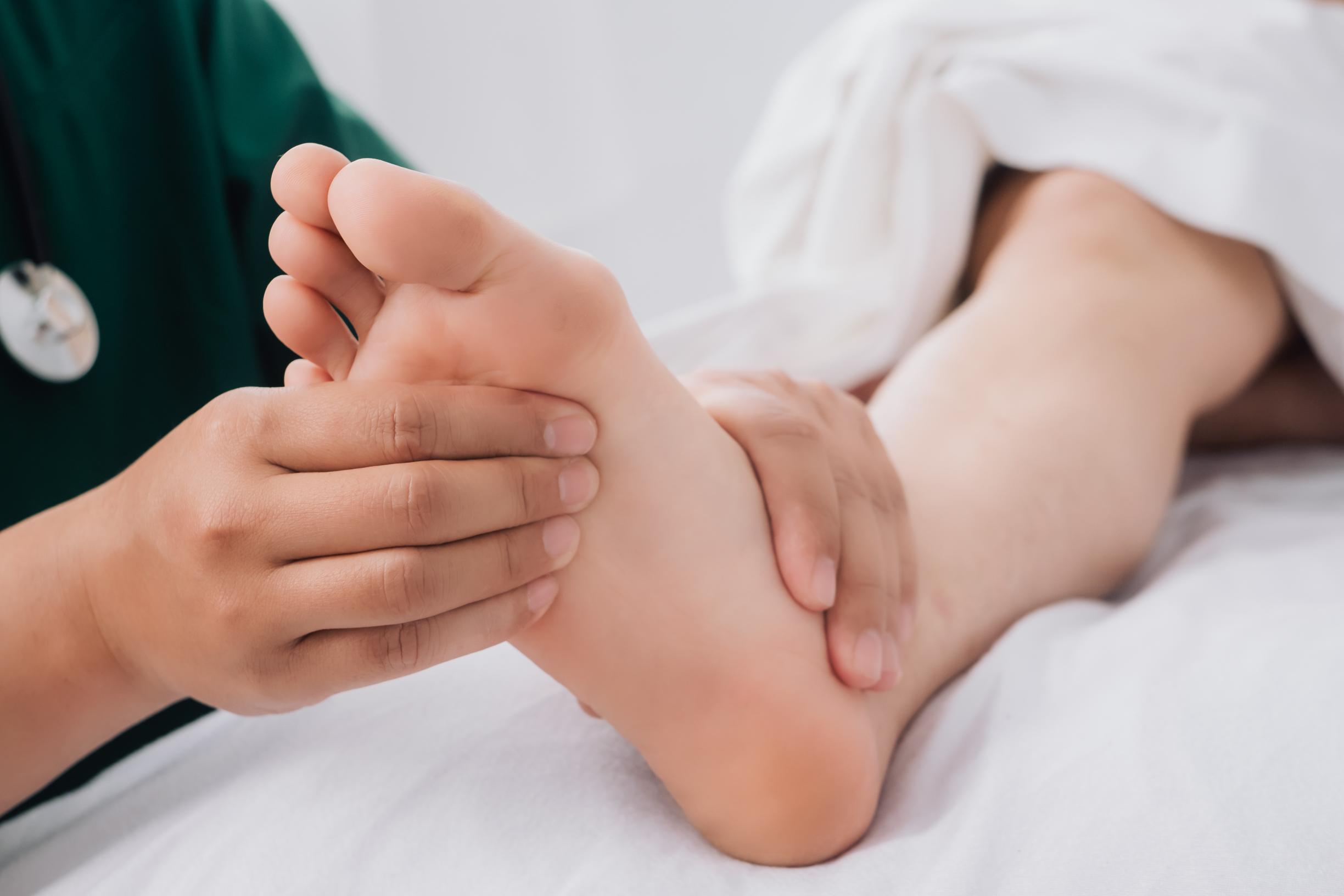
Your podiatrist will then examine your feet, testing their strength and looking for any relevant symptoms, such as toe deformity. X-rays, and sometimes MRI and CT scans, are typically ordered by your doctor to assess the structure of your foot.

Since high-arched feet are sometimes an early sign of various neurological disorders, your surgeon will also check for other signs of these conditions, and will refer you for a consultation with a neurologist if necessary.

What are the treatment options for high-arched feet?

High-arched feet are often treated with orthotics, which are customised shoe inserts that will provide better support to your feet and reduce pain.  Orthotics comprise of two main types – corrective insoles are useful for flexible deformities and are moulded to correct the shape of your foot and support the arch; alternatively, accommodative insoles, are meant for rigid deformities that cannot be corrected, and reduce pain by relieving pressure on your feet.

Orthopaedic shoes

Orthopaedic shoes may also be prescribed.  These are customised shoes that support the ankle and foot, and help distribute weight across the whole foot more evenly.  If you are experiencing ankle instability, your doctor may recommend a trial of bracing, which adds support to the ankle to improve balance and prevent injury.

Your physiotherapist can help with specific exercises, like calf stretches or heel cord stretches, which can relieve pain and improve the structure of the foot.  Muscle strengthening exercises (peroneal muscle strengthening) can also help to maintain better foot posture and alleviate pain.  Your doctor may also recommend lifestyle changes, such as a diet and exercise weight loss program to reduce pressure on the feet.

In serious cases where surgery becomes necessary, an orthopaedic surgeon can reshape bones, repair or lengthen tendons, and even stabilise joints to treat this condition.

When will I need surgery for my high-arched feet?

Surgical treatment is usually reserved for cases where the abovementioned non-surgical options have proven ineffective in relieving foot pain or ankle instability.  Your doctor might need to perform osteotomies, tendon transfers, and/or fusion procedures, depending on the nature of your condition.

In general, flexible pes cavus can be treated by making cuts to the bones (osteotomies) in the foot, lowering the foot arch and restoring a normal shape to your heel, while preserving the flexibility of the joints of the foot.  Sometimes, the tibialis posterior tendon is rerouted to the outer side of the foot to stabilise the foot and heel position (tendon transfer).  With modern advances in surgery, surgeons trained in minimally-invasive surgical (MIS) techniques are able to perform these procedures using far smaller skin incisions and causing less soft tissue injury.  By opting for MIS surgery with an experienced surgeon, patients can benefit from less pain, faster and better recovery, and earlier return to home and to work after surgery, with less complications.

foot mri scan - Oxford Orthopaedics

On the other hand, rigid pes cavus is not amenable to correction by osteotomies due to the high degree of severity of the foot deformity.  In many cases, the longstanding severe deformity would have caused the joints of the hindfoot and ankle to become arthritic and painful as well.  In view of this, rigid high arched feet are typically treated by fusing (joining) the bones of the three major hindfoot joints (triple fusion or triple arthrodesis), which can reliably lower the foot arch and restore heel alignment.  The downside to triple fusion is a loss of movement in the hindfoot joints, although patients are usually not too affected by this.  Traditionally, triple fusion is done as an open procedure, usually requiring a pair of long incisions along the inner and outer sides of the foot, causing significant pain and recovery time after surgery.

In Singapore, only a very small number of surgeons are experienced in performing hindfoot triple fusion surgery using the arthroscopic “keyhole” technique.  This is a far more advanced and technically demanding procedure than open surgery.  Patients who opt for “keyhole” surgery benefit from less pain, faster recovery, lower complications and better fusion success rates than traditional surgery.  Furthermore, unlike conventional open surgery, arthroscopic “keyhole” triple fusion can be done as a day surgery case, and patients can safely return home within a day after surgery.  Recovery time and return to work is also typically faster after arthroscopic “keyhole” surgery when compared to open surgery.

Pes cavus surgery

Irrespective of the types discussed above, will be performed under anaesthesia, and typically involves an overnight stay in hospital if MIS and “keyhole” techniques are chosen.  Open surgery usually requires a longer hospital stay over several days.  Depending on the type of surgery performed, low-profile metal plates or metal screws may be inserted into your foot to stabilize the bones in the best position until healing is complete.

After the procedure, you will be given oral medications and sometimes a local anaesthetic for pain relief, which typically is relatively mild after MIS surgery.  Initial recovery can take 4 to 6 weeks when employing MIS or “keyhole” techniques (longer at 6 to 12 weeks for traditional open surgery).  In the early phase of recovery, you will initially be fitted with a cast or long walker boot, and may require the use of a wheelchair or crutches.  The cast is usually removed after 2 to 4 weeks, and your doctor will fit you with an orthopaedic walker boot to protect your foot while it continues to heal.

After the initial recovery period is over, physiotherapy will be commenced to help you to regain motion, stability and strength in the foot and ankle.  Gait training is also vital in optimizing your walking speed, balance and endurance.

foot injury doctor - Oxford Orthopaedics

Summary

Pes cavus, or high arched feet, is a common problem and can be a troubling source of foot pain and ankle instability, causing recurrent ankle sprains and foot injuries.

See you doctor early if you think you have high arched feet, especially if you do not have a family history or previous foot injury, as it is important for your doctor to evaluate you for signs of certain neurological disorders associated with high-arched feet and commence treatment early if needed.

To better manage your foot pain and prevent the worsening of pes cavus, avoid high impact sports and activities that put excessive stress on your feet until you have completed your rehabilitative physiotherapy.  It is vital to undergo a course of physiotherapy to strengthen the muscles of the foot and ankle, and to be reviewed by a podiatrist, who can fit proper orthotic insoles in your shoes to support the heel and foot arches.

If conservative measures fail, and you find that you need further help managing your high-arched feet, please approach your orthopaedic foot and ankle surgeon promptly for advice and treatment.  Early diagnosis and a treatment plan properly tailored to your needs will provide the best chance for successful correction of your pes cavus, ensure good pain relief and optimal functional outcomes, and allow you to rapidly return to work, activity and sports!

Get in touch

Make an Enquiry or Request an Appointment

Our friendly team is here to serve you. For urgent enquiries and appointment requests, please call or WhatsApp us directly.

Oxford Orthopaedics Logo