
Looking for an orthopaedic specialist for ACL injuries in Singapore? For knee symptoms involving swelling, instability, giving way, or difficulty returning to sport, the best next step is often a specialist assessment that looks beyond the ACL alone. Dr Lester Tan is a Senior Consultant Orthopaedic Surgeon whose practice covers sports related knee injuries, with treatment guided by what’s best suited to the injury pattern and activity goals.
You might first notice the injury while your body is still in motion. You push off towards the ball, cut away from an opponent, decelerate after a sprint, or come down from a jump, and the knee suddenly feels as though it has lost control. Less commonly, the same type of ligament injury can happen outside sport, such as during a fall, missed step, or awkward turn where the foot stays planted while the knee twists. You might not collapse completely, but the knee feels different. It might feel loose, unstable, or unable to keep up when your body turns, lands, or shifts direction.
Once the immediate shock settles, the signs can become easier to recognise. Swelling might appear early or build over the next few hours, while stiffness and a sense of giving way can make the knee harder to trust. You might still manage to walk, albeit with less confidence when making a turn, using the stairs, stepping on uneven ground, or shifting weight through the injured leg. When you return to faster movement, the knee might also falter during pivots or when you slow down after a sprint. This variation matters because anterior cruciate ligament (ACL) injuries differ in severity, which is why assessment has to establish how much stability has been affected.
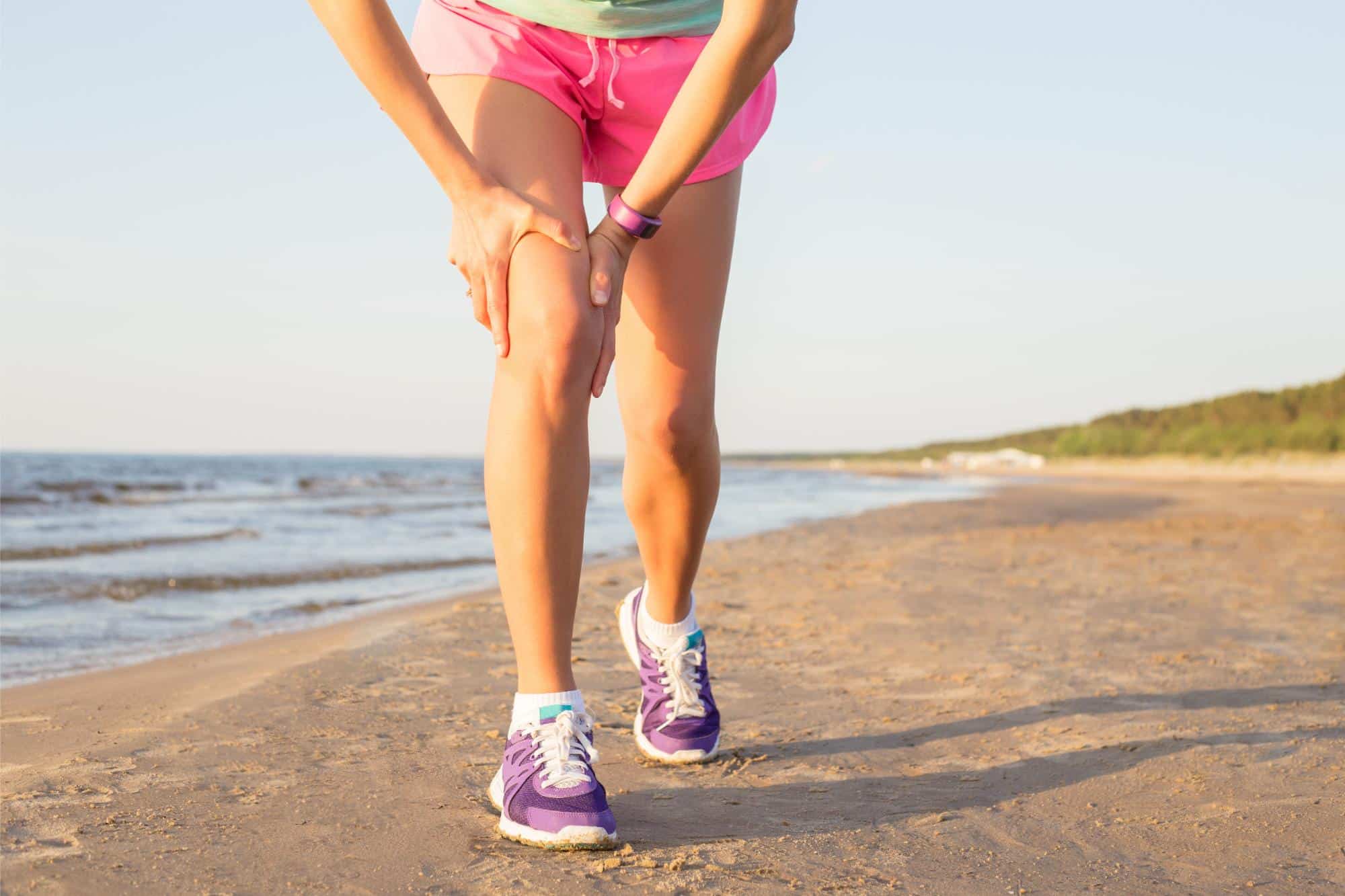
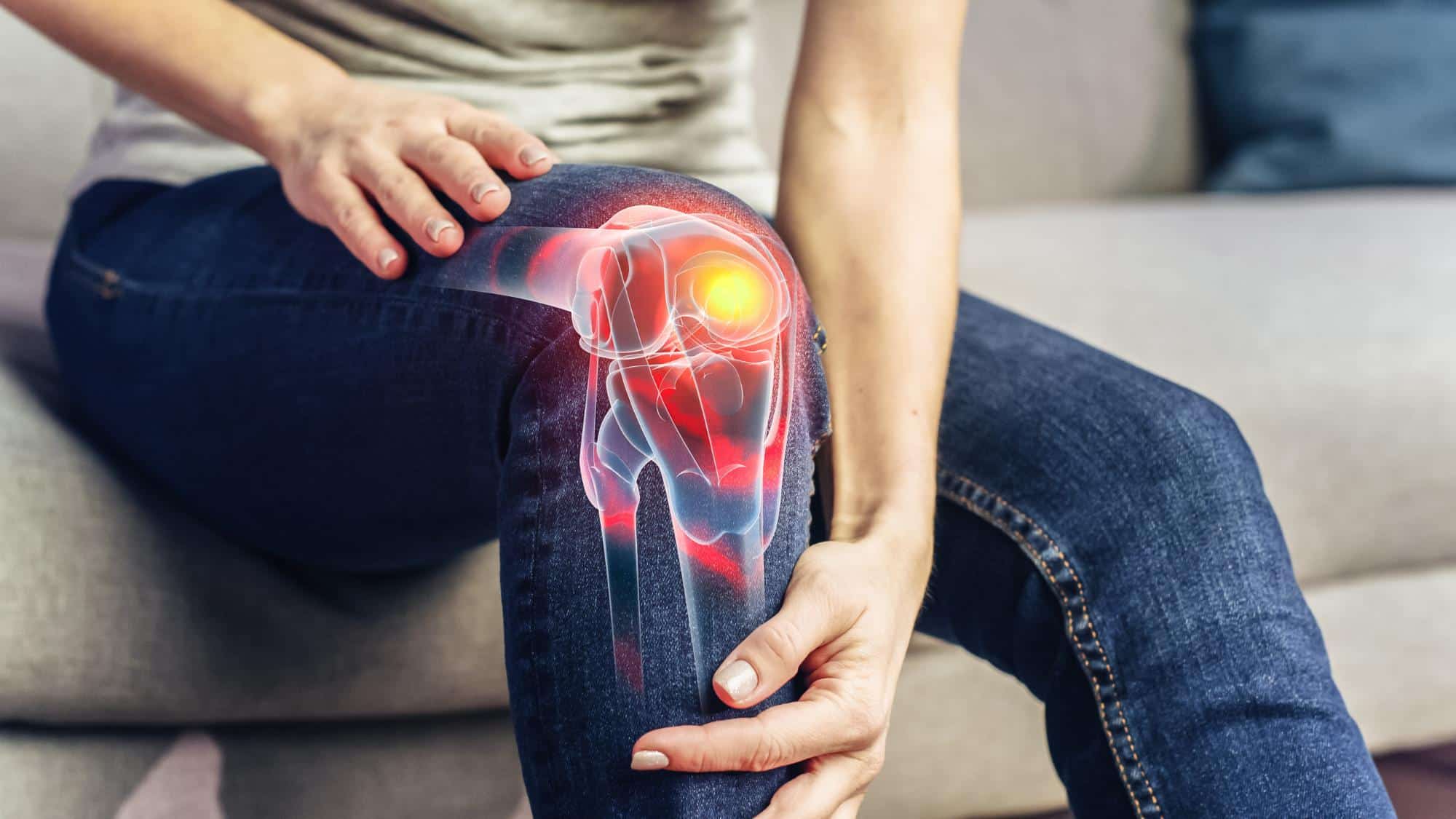
Even when ACL injuries occur in similar ways, their severity can differ depending on how much of the ligament has been stretched or torn and how well the knee can maintain stability during movement. For this reason, ACL injuries are commonly described in grades, which reflect the extent of damage within the ligament:
A grade one ACL injury means the ligament has been stretched, but remains intact. Because the ACL can still help support knee stability, the knee often feels usable rather than severely unstable. Pain is usually mild, and symptoms might feel more like an ache, tightness, or discomfort.
As activity levels rise, mild instability might start to appear when the knee is placed under greater demand. Swelling is usually minimal, and the knee might feel stable during simple forward movement but less dependable when control, load, or direction changes are required. Since the ligament remains intact, symptoms often vary with activity rather than worsening suddenly.
A grade two ACL injury means the ligament has been stretched and partially torn. Because part of the ACL has been damaged, the ligament might still provide some support. However, it’s not consistent enough to control the knee under greater demand. Compared with a grade one injury, swelling is usually more noticeable, and pain is often more pronounced around the joint.
As activity resumes, instability can become harder to ignore. Simple movement might still be possible, but the knee might feel less reliable when load, control, or direction changes are required. This middle grade injury often feels unpredictable, with the knee alternating between periods of relative control and sudden loss of confidence.
A grade three ACL injury means the ligament is completely torn. At this level, the ACL no longer provides normal restraint within the knee, which can affect stability when the shin bone moves forward or the knee rotates. Pain can be significant at the time of injury, and swelling often develops soon after.
As weight bearing resumes, the instability can become more obvious. The knee might buckle or give way even during ordinary movement, making it harder to control and trust. Because the ligament is no longer intact, assessment focuses on how much stability has been lost and whether the knee can cope with daily activity, work demands, or sport.
Because the ACL helps stabilise the knee, symptoms often become clearer when the joint has to manage load, rotation, or sudden changes in direction. These signs are common during sport, but they can also appear during daily movements such as turning, going down stairs, or shifting weight, particularly if swelling or instability is already present. Common symptoms include:
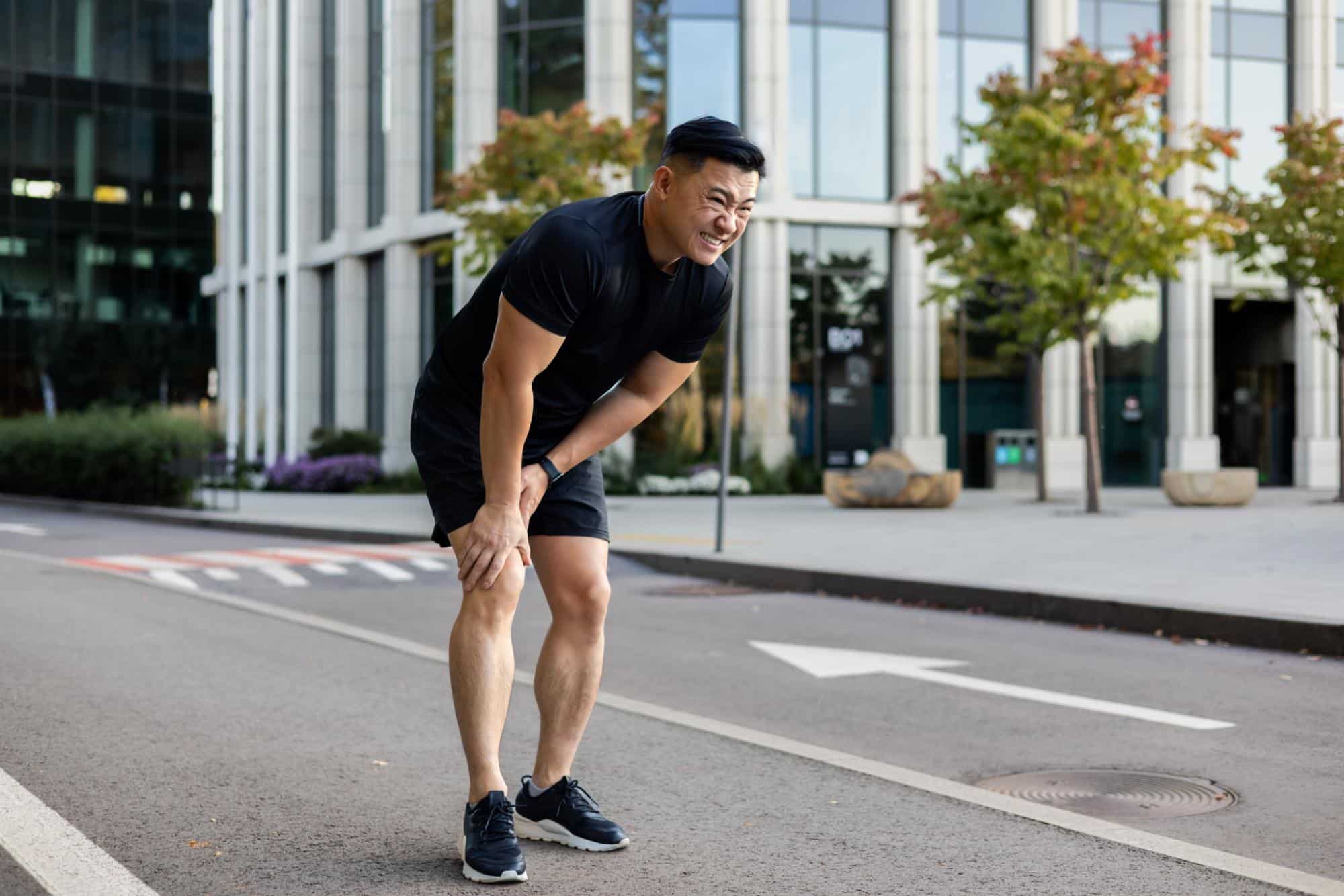
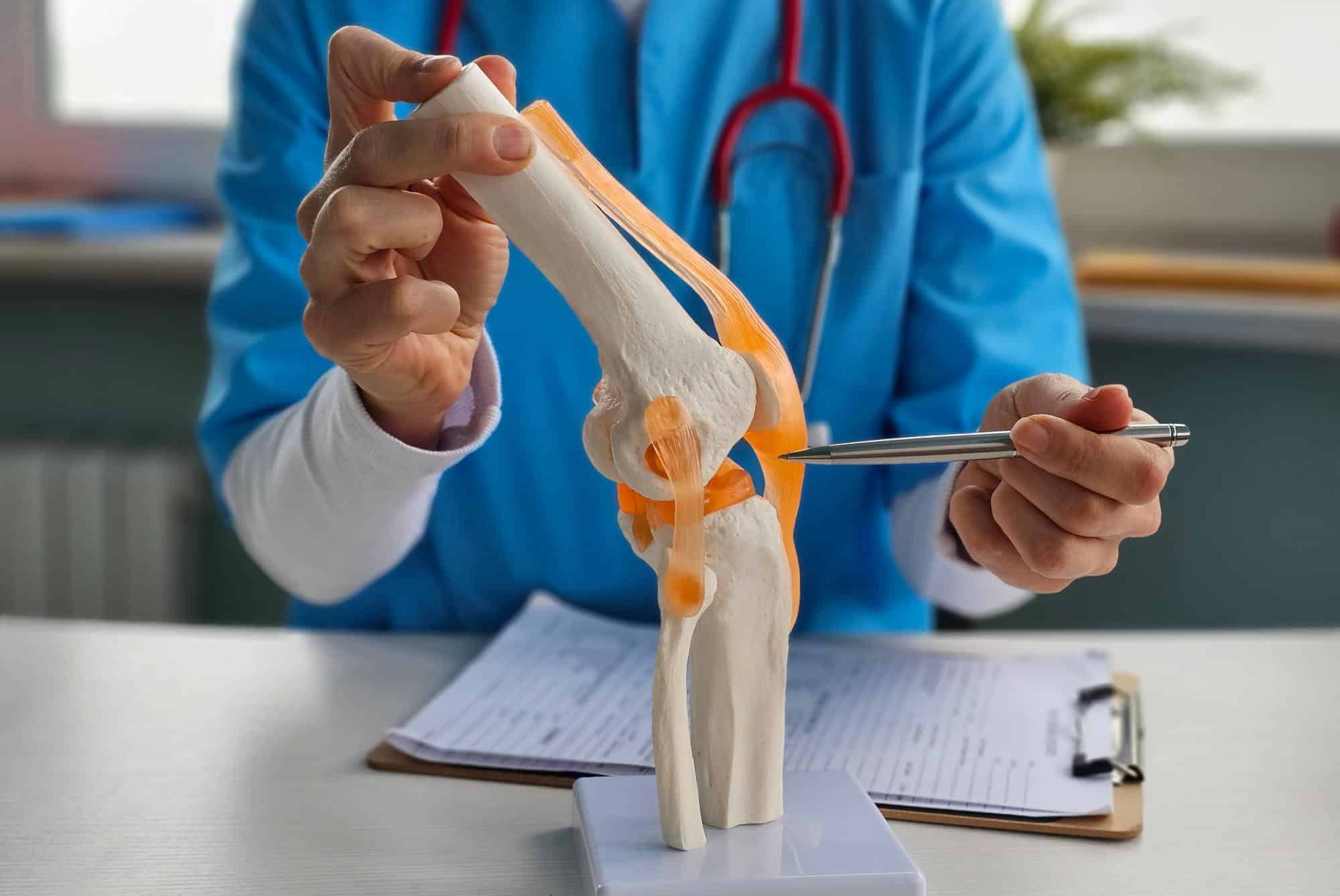
ACL injuries often occur when the knee has to control speed, load, rotation, or balance faster than it can stabilise the movement. This can happen during a single sharp movement, especially when the foot is planted and the body changes direction, or when the knee is forced beyond its normal control. Common causes include:
A clear diagnosis usually starts with a specialist assessment that looks at how the injury happened and whether knee stability has been affected. Because ACL injuries affect control within the knee, the evaluation looks at how the joint behaves during guided movement, while imaging helps confirm the extent of ligament damage and identify any associated injuries. In Singapore, the following methods are commonly used to diagnose an ACL injury:

Treatment is guided by how severe the ACL injury is, how stable the knee remains, and how the joint performs during movement or sport. An orthopaedic specialist will usually consider whether the knee can recover with structured rehabilitation, or whether reconstruction is needed to restore stability for higher demand activity.
For less severe injuries, lower physical demands, or knees that retain functional stability, non-surgical care might be appropriate. This approach focuses on reducing pain and swelling, restoring knee movement, and improving stability through controlled rehabilitation.
If the ligament is badly torn or the knee feels unstable during everyday activities or sport, surgery is recommended. As a fully ruptured ACL cannot heal by itself, the procedure will focus on rebuilding stability rather than directly repairing the damaged ligament.
ACL injuries can range from a mild ligament strain to a complete tear, but early symptoms don’t always show how well the knee will cope once activity resumes. Some knees improve with structured rehabilitation, while others continue to feel unstable, limited, or difficult to trust during daily movement or sport.
When these limits persist, assessment helps clarify whether the knee has enough functional stability or whether ongoing instability might affect recovery and longer-term joint function. Review is commonly recommended when:
At this stage, a specialist assessment can help clarify whether continued rehabilitation remains suitable, or whether surgical reconstruction offers a more appropriate path towards restoring knee function and supporting long-term stability.
When swelling or instability continues after an ACL injury, the concern isn’t only whether the pain has settled. You might still manage to walk, yet feel less certain when performing certain activities or movement. At first, the reduction of activity or the avoidance of certain movements might be adequate. However, once these adjustments start shaping how you move, the knee should be assessed to determine whether it’s regaining stability or still struggling under load.
This is where an assessment at Oxford Orthopaedics helps provide clarity. Your injury history, knee stability, range of movement, activity needs, and relevant imaging are reviewed together, so the knee is evaluated as a whole rather than by the ACL alone. These findings help Dr Lester Tan determine whether continued rehabilitation remains suitable, whether non-surgical care is appropriate, or whether ACL reconstruction should be considered when instability continues to affect movement or the playing of sports. To arrange for a consultation, please contact the clinic to book an appointment.
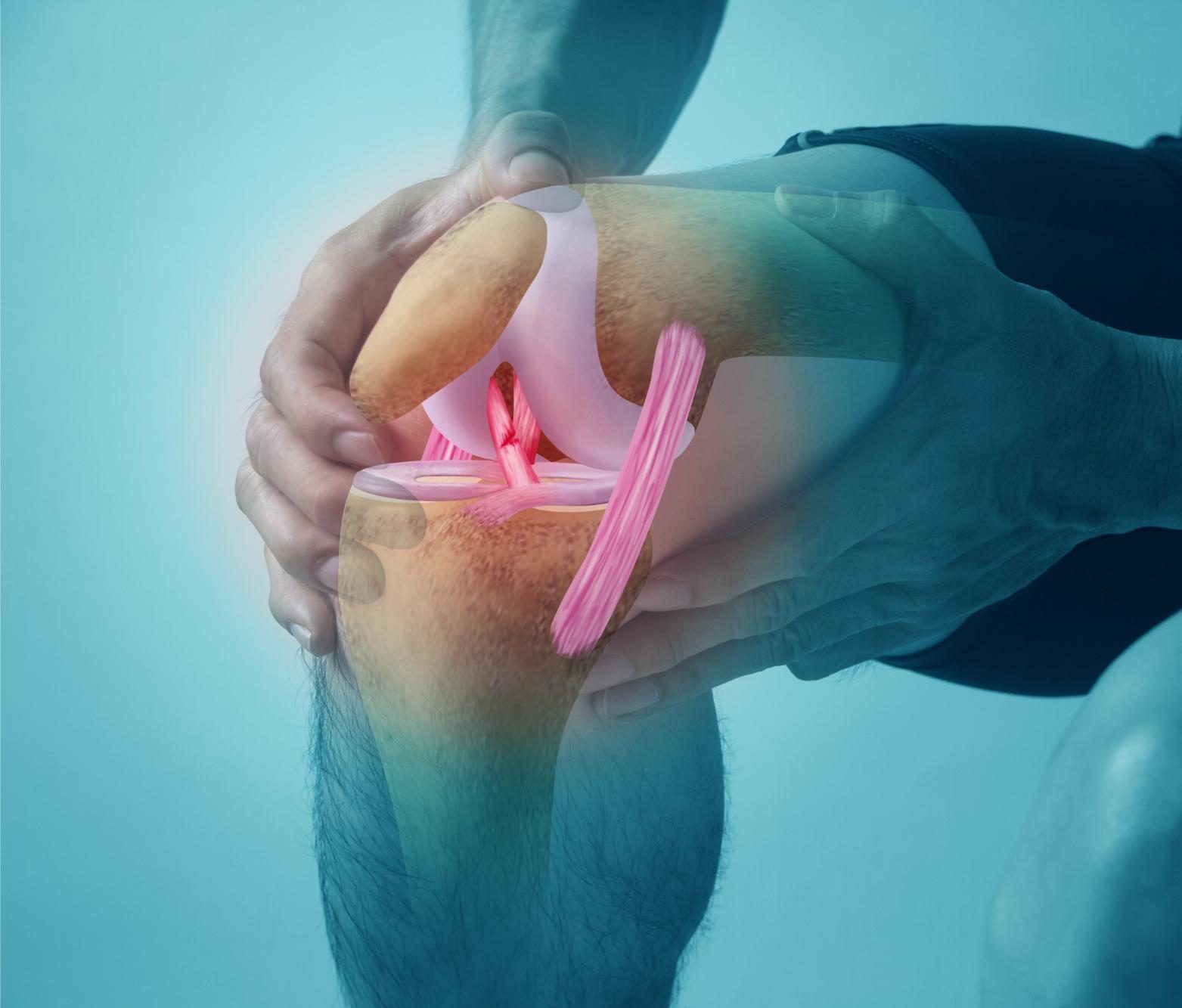
The ACL sits inside the knee and helps control movement between the thigh bone and shin bone. Its role becomes most important when the knee has to manage turning, slowing down, or a sudden change in direction. When the ACL is injured, the knee might still bend and straighten, but it can feel less stable when load, rotation, or faster movement is involved.
Diagnosis by an orthopaedic specialist usually begins with a physical examination to assess knee stability, movement, swelling, and range of motion. Imaging, especially an MRI scan, is commonly used to confirm the extent of ligament damage and identify associated injuries. These might include meniscus tears, cartilage injury, bone bruising, or injury to other ligaments around the knee.
ACL tears usually happens when the knee is placed under sudden force. This is common in sports that involve starting, stopping, cutting, pivoting, jumping, or landing. Similar mechanics can also occur during daily activities, such as a fall, missed step, awkward landing, or twist where the foot stays planted. The key issue is excessive strain through the ligament, not direct impact alone.
A torn ACL might cause a popping sensation at the time of injury, followed by pain, swelling, stiffness, or difficulty fully bending or straightening the knee. The knee might also feel loose, unstable, or unreliable once you start using it again. Because these symptoms can overlap with other knee injuries, a specialist assessment and MRI scan can help confirm the diagnosis.
Yes. A torn ACL doesn’t always make the knee feel severely painful or unusable. Some people can still walk or continue limited activity, especially when pain settles and the surrounding muscles compensate for reduced ligament support. However, compensation has limits. If instability persists, repeated giving way can place extra strain on the meniscus and cartilage.
Not every ACL injury needs surgery. If the knee remains steady enough for daily activities and the patient has lower physical demands, rehabilitation might be enough to restore function and control. Surgery is usually considered when instability persists or the tear is severe. The decision should be guided by knee stability, activity demands, associated injuries, and longer-term goals rather than pain alone.
Recovery after ACL reconstruction progresses in stages. Walking without support often takes several weeks, while returning to sport commonly takes six to nine months. The pace differs between individuals and depends on rehabilitation quality, strength recovery, movement control, and how well knee stability is restored, rather than time alone.
Our friendly team is here to serve you. For urgent enquiries and appointment requests, please call or WhatsApp us directly.
