
Looking for a shoulder and elbow specialist in Singapore? For symptoms involving the shoulder, elbow, or wider upper limb, the best next step is often a specialist assessment that looks beyond the painful area alone. Dr Lester Tan is a Senior Consultant Orthopaedic Surgeon whose practice covers shoulder and elbow conditions such as tendon injuries, stiffness, instability, fractures, arthritis, and nerve compression around the elbow.
Frozen shoulder, also known as adhesive capsulitis, doesn’t usually begin like a sudden shoulder injury. It often starts with a deep ache, tightness, or restriction that makes the shoulder harder to move in certain directions. This might show up when reaching across the body, lifting the arm, fastening clothing behind your back, or turning onto the affected side in bed. Because these moments can seem manageable at first, many people start compensating by moving differently or avoiding certain positions before realising how much their shoulder function has changed.
As these compensations build, the issue is no longer just shoulder discomfort. In frozen shoulder, the capsule around the shoulder joint can become thickened and tight, so the shoulder becomes harder to move even when the patient tries to use the arm normally. This is why everyday movements that were once manageable can gradually become more difficult — from reaching overhead to rotating the arm or reaching behind the back. Because the condition can affect pain and movement differently as it develops, it helps to understand the usual pattern of progression. This begins with the stages of frozen shoulder.


Frozen shoulder can be described as primary or secondary. Primary frozen shoulder develops without an obvious trigger, such as an injury or structural problem in the shoulder. Although there might be no specific shoulder injury to point to, conditions such as diabetes and thyroid disorders are recognised risk factors, so medical history helps the specialist interpret the stiffness in context. Secondary frozen shoulder, on the other hand, develops after a clearer trigger, such as a fracture, tendon injury, trauma around the shoulder, or when the shoulder has been immobilised for a period of time. While the category helps explain how the condition might have started, the stage helps explain how pain, stiffness, and movement restriction change as the condition progresses.
The freezing stage is usually when pain becomes the main concern. As the joint capsule becomes irritated and tighter, the shoulder can become harder to use, especially in positions that place the joint under strain. Because discomfort often limits what the patient can tolerate during this stage, treatment usually focuses on reducing pain and inflammation while maintaining shoulder mobility within a comfortable, pain-limited range.
By the frozen stage, the pain might start to settle, but the shoulder usually remains stiff. This can be frustrating because less pain doesn’t always mean the shoulder is moving better. The joint capsule is still tight, so reaching, lifting, or rotating the arm can remain difficult. Treatment at this stage usually focuses on maintaining and gradually improving range of motion, while managing any pain that still affects daily function or sleep.
Frozen shoulder symptoms are usually recognised by a gradual change in how the shoulder responds to daily use and rest. Rather than appearing as one isolated painful movement, the condition tends to affect the shoulder across different positions, which is why the pattern can become more noticeable over time. Common symptoms include:

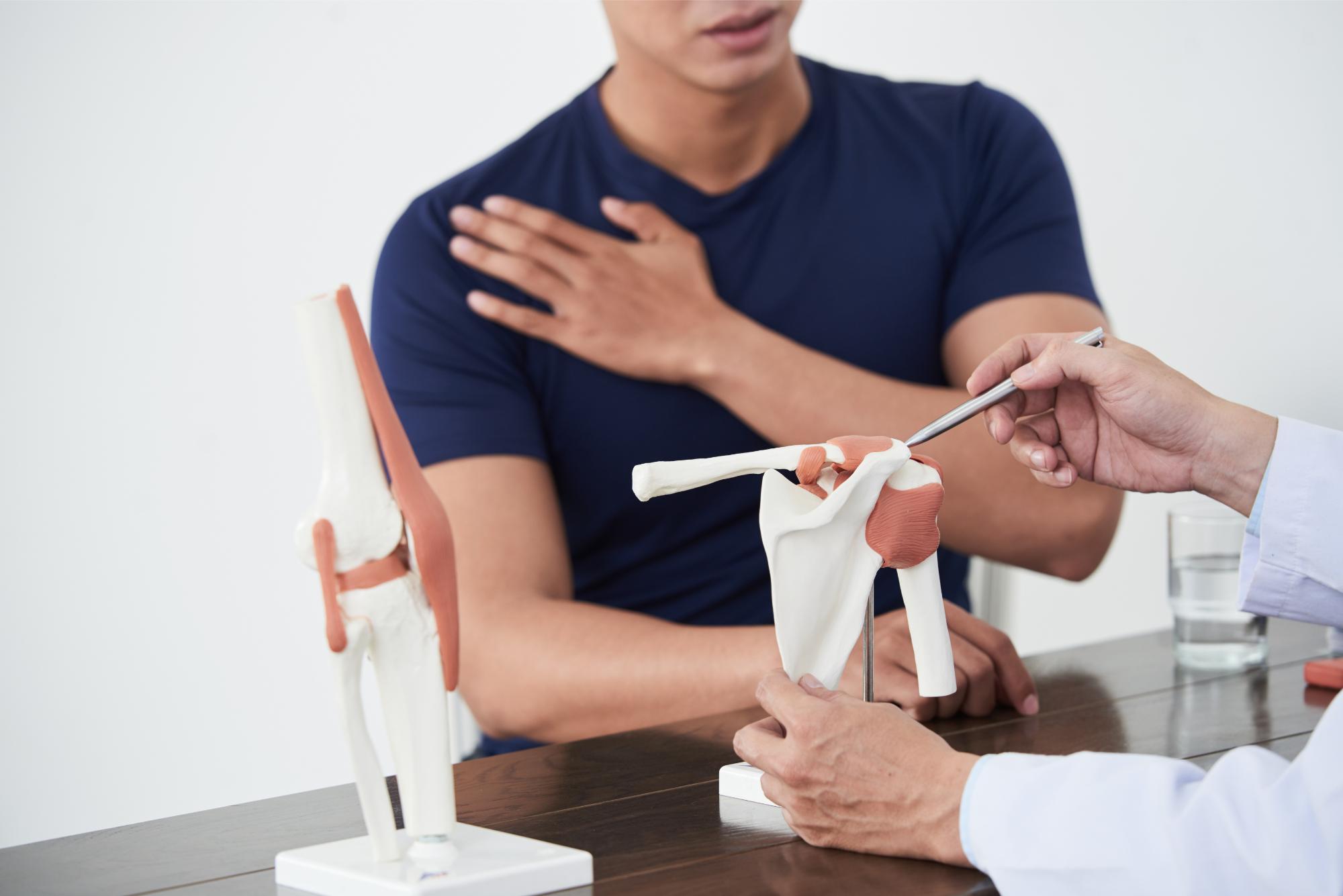
Frozen shoulder isn’t usually explained by one painful movement or a single moment of strain. The more important question is what might have made the shoulder capsule become tighter over time, whether through the shoulder itself, a period of reduced use, or the patient’s wider health profile. Common causes include:
Diagnosis usually begins with a specialist assessment to determine whether the shoulder restriction follows the typical pattern of frozen shoulder, or whether another shoulder condition could be causing similar pain and stiffness. Because frozen shoulder isn’t diagnosed from pain alone, the evaluation looks at how the shoulder behaves when it’s moved, whether the restriction is consistent across different directions, and whether further checks are needed before deciding on treatment. In Singapore, the following methods are commonly used to diagnose frozen shoulder:
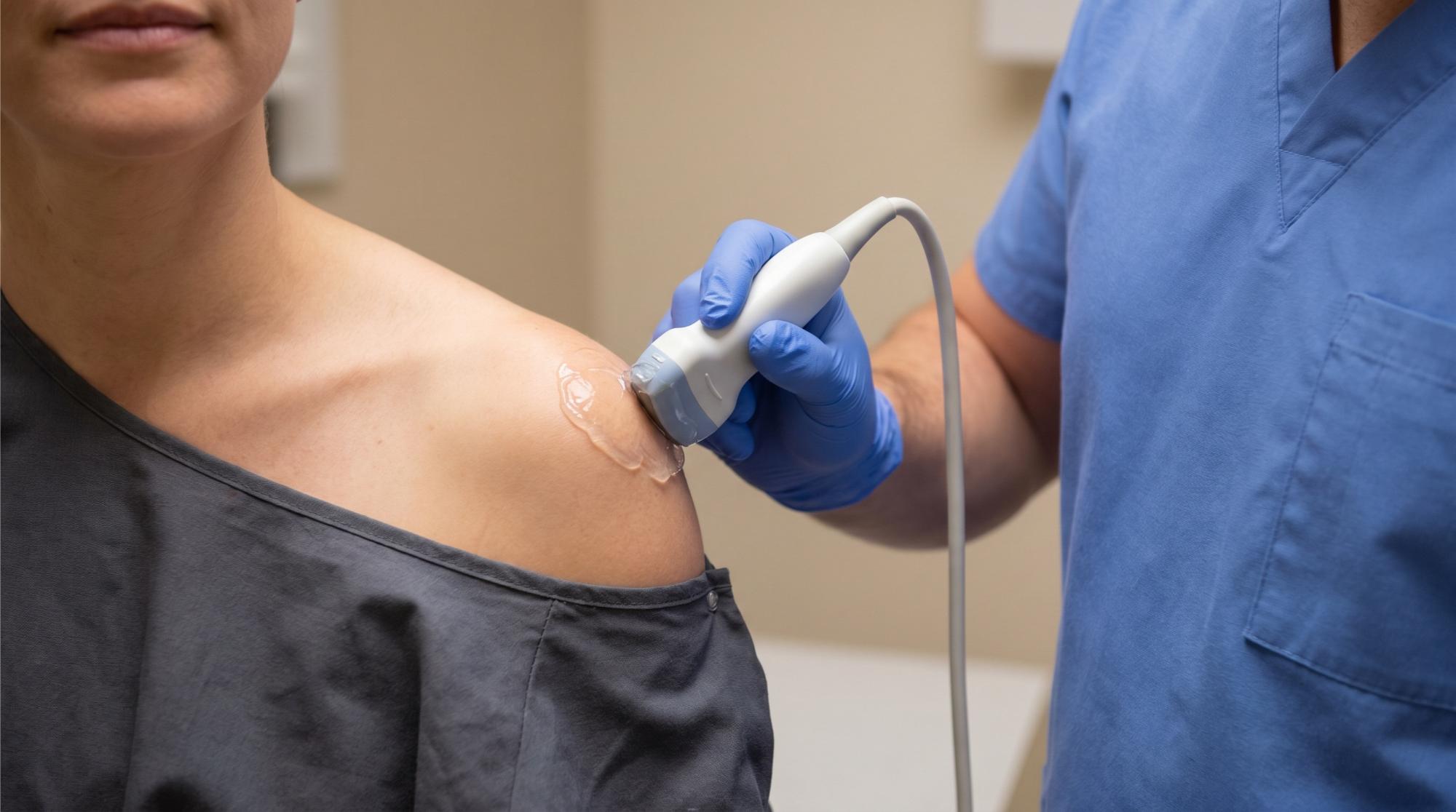
Treatment for frozen shoulder should be guided by what’s limiting the shoulder the most. When pain is still active, trying to increase shoulder movement too quickly can worsen the pain and delay recovery. When stiffness has become the main problem, just waiting for the pain to settle might not be enough to help the shoulder move normally again. This is why procedures performed by the specialist has to be matched to the shoulder’s stage, rather than following a one-size-fits-all approach.
Once the stage and main limitation are clearer, the next decision is how carefully treatment should be paced. This means assessing how much range has already been lost, how far movement can be increased without causing pain to flare up, and whether earlier care has brought meaningful improvement. When pain is the main issue, care usually begins with symptom control and guided movement. If progress remains limited, more targeted pain relief might be considered, with surgery kept for selected cases where severe restriction persists despite appropriate non-surgical treatment.
Non-surgical treatment is usually the first approach for frozen shoulder. The aim is to help reduce pain and inflammation, maintain shoulder movement, and gradually improve range of motion without forcing the joint beyond what it can tolerate.
When pain is limiting shoulder movement, injection-based treatment might be used to reduce discomfort and support rehabilitation. These options are typically used when pain remains a major limiting factor or when the shoulder isn’t improving with medication and guided movement.
Surgery is usually considered when the shoulder remains significantly stiff and movement is still limited despite a period of appropriate non-surgical treatment. It may also be discussed if there has been little or no improvement after several months of guided exercises, medication, or injection-based treatment, and when the stiffness has reached a stage where further progress is unlikely without intervention.
Frozen shoulder doesn’t always need urgent treatment, especially if the tightness is mild and everyday movement still feels manageable. But once the shoulder becomes harder to use, or pain starts making you avoid movement more often, it helps to have the condition assessed before you keep adapting around a shrinking range of motion.
As restriction becomes more persistent, a specialist review helps clarify whether the shoulder is still mainly pain-limited, already stiff, or not improving as expected. It’s important to have it checked when:
At this stage, an assessment can help determine whether the shoulder can continue with non-surgical care, whether more targeted pain relief might help movement, or whether surgery should be discussed if stiffness remains severe despite appropriate treatment.


When shoulder pain or stiffness starts showing up during ordinary movements, it can be tempting to wait and see, especially if it only happens in certain positions at first. You might feel it when reaching for an object on a shelf, putting on a shirt, reaching behind your back, or lying on the affected side at night. At first, small adjustments might be enough to get around the discomfort. You might also start to use the other arm more often, avoid certain angles, change how you dress, or adjust the way you sleep. Once these workarounds start shaping your routine, the shoulder should be assessed because the issue is no longer limited to occasional discomfort. Rather than continuing to adapt, reviewing your symptoms, stiffness, and range of movement can help determine whether the pattern fits frozen shoulder or whether another shoulder problem needs to be ruled out.
This is where assessment at Oxford Orthopaedics helps provide clarity. Your symptoms, shoulder movement, medical history, and any relevant imaging are reviewed together, so everything is considered as a whole rather than looked at separately. These findings help Dr Lester Tan assess whether the pattern is consistent with frozen shoulder, which stage the condition might be in, and whether treatment should focus on pain control, injections, guided movement, further investigation, or other options such as surgery should your discomfort remain severe. To arrange for a consultation, please contact the clinic to book an appointment.
Frozen shoulder, also known as adhesive capsulitis, happens when the capsule around the shoulder joint becomes inflamed, thickened, and tight. As the capsule tightens, shoulder movement becomes painful and restricted, even when someone else tries to move the arm for you. It can occur without a clear cause, but it’s more likely to happen after a shoulder injury or surgery, when the arm hasn’t been moved for a long time, or in people with conditions like diabetes or thyroid problems.
Frozen shoulder usually develops gradually. Common symptoms include stiffness that gradually worsens, together with shoulder pain that often feels worse at night. People might also have difficulty reaching overhead, trouble reaching behind the back, and discomfort when dressing, washing, or sleeping on the affected side. A characteristic feature is loss of active and passive range of motion, which means the shoulder is restricted when you move it yourself and also when the orthopaedic specialist moves it during examination.
Frozen shoulder is usually diagnosed through your medical history and a physical examination. During the consultation, the orthopaedic specialist will first look at how the pain and stiffness developed, then assess how far your shoulder can move in different directions. This includes movement you perform yourself and movement done with assistance, as frozen shoulder typically restricts both. X-rays may be arranged to rule out arthritis or other bone related causes, while ultrasound or MRI may be considered if the symptoms are unusual or another shoulder condition is suspected.
Frozen shoulder is typically described in three stages. During the freezing stage, pain gradually worsens and shoulder movement becomes increasingly restricted, usually over a period of six weeks to nine months. In the frozen stage, the pain might lessen, but stiffness persists and everyday activities can remain challenging. In the thawing stage, shoulder movement slowly improves, although full recovery can take several months and, in some cases, up to two to three years, depending on how severe the condition is and factors such as your age, overall health, and how well you respond to treatment.
Frozen shoulder often improves over time, but recovery can be gradual. Many patients see improvement within one to three years, although some might continue to experience mild stiffness, particularly if risk factors such as diabetes are present. Management isn’t simply about waiting for the condition to resolve. Instead, the focus is on confirming the diagnosis, managing pain, maintaining shoulder mobility, and ensuring that recovery progresses appropriately through each stage.
Treatment without surgery usually focuses on reducing pain and inflammation while preserving shoulder movement. Depending on the stage and severity, an orthopaedic specialist may recommend medications to help manage pain and inflammation, anti-inflammatory injections into the shoulder joint, and guided exercises. These options are typically combined and adjusted over time, with the care plan tailored to the patient’s symptoms, stiffness, sleep disturbance, daily function, medical history, and response to earlier treatment, to achieve the best possible outcome rather than using the same approach for every patient.
Surgery isn’t usually the first step for frozen shoulder. It may be discussed when pain and stiffness remain severe despite appropriate treatment, or when limited movement continues to affect daily function after a reasonable period of care. If a procedure is needed, options may include carefully moving the shoulder through a controlled range while you are asleep under anaesthesia, or arthroscopic capsular release, a keyhole surgery that loosens the tight joint capsule. After either procedure, rehabilitation remains important because shoulder movement needs to be restored gradually and safely.
Our friendly team is here to serve you. For urgent enquiries and appointment requests, please call or WhatsApp us directly.
