
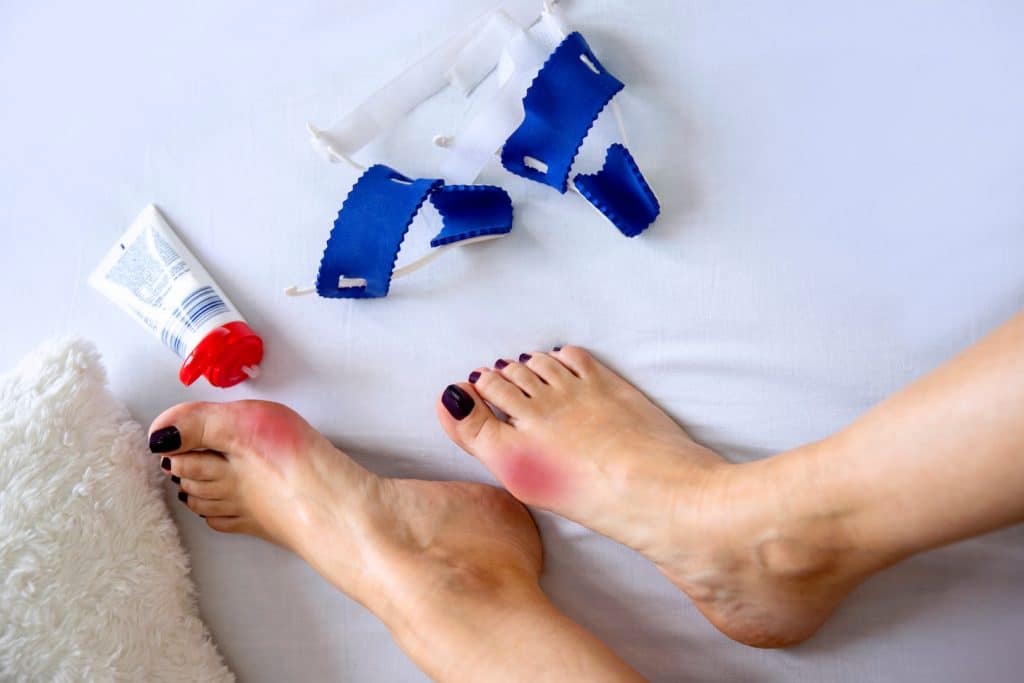
You might be thinking about how you can cure your bunion because of a bump that makes your shoes pinch and rub, or an ache in the big toe joint after a long day on your feet. Understandably, you would rather avoid surgery if you can. Maybe you’ve heard that conservative treatments can help, and you’re wondering how far they will actually get you. In other words, can they provide pain relief, heal the bunion itself, or both?
The answer depends on which of those you’re after. For pain relief, non-surgical options can help, especially when the bunion is still in its mild stage. In practice, many start by switching to wider shoes with a roomier toe box and using cushioning pads to stop the bump rubbing. Custom insoles or orthotics go a step further, taking strain off the joint by changing how pressure is spread across your foot. Easing off long stretches of walking or standing can also calm a flare-up. However, correction is a different question, and the answer lies in what’s happening in the joint itself.
Will a Bunion Go Away on Its Own?
Because the change is structural, an established bunion won’t go away on its own. By structural, we mean that the bones themselves have moved, with the big toe gradually leaning towards the other toes. As it does, the joint where the big toe meets the foot is pushed out to the side and forms the bump you can see. Since this bump is mostly bone rather than swelling, it can’t naturally shrink by itself, even if the swelling around it settles with rest.
Over time, a bunion can also become more pronounced. Every step puts your weight through a joint that is already out of position, and this pressure can push the toe further out of line. Narrow or pointed footwear can add to this by squeezing the toes together. As the toe drifts further, the bump might become larger and more painful in shoes. In more advanced cases, crowding from the big toe can make a smaller toe bend at its middle joint, forming a hammer toe, which might be painful in its own right.
For these reasons, conservative treatments are unlikely to reverse the situation. What they can do is ease the symptoms of the bunion, which is the goal of managing it. However, this works around the problem rather than fixing it, since straightening the joint itself typically requires surgery. Even so, not every bunion needs correcting, and for many, management might be enough.
How Can You Manage Your Bunion with Non-Surgical Treatments?
The key is to take pressure off the big toe joint and keep it comfortable day to day. What helps most varies from person to person, so it can be worth trying more than one of the following:
- Choosing shoes — Look for a wide, deep toe box so there’s room around the bump. If standard widths feel tight, wider fittings such as 2E or 4E can help.
- Custom orthotics — Usually made by a podiatrist, these insoles are shaped to your foot and the way you walk, so they can take some weight off the bunion.
- Pacing your activities — Rather than giving up walking or exercise, try shorter sessions with rest breaks in between to give your foot time to recover.
- Ice and pain relief — An ice pack can ease the discomfort on days that the joint feels sore. Painkillers or anti-inflammatory medicine might also help (check with a doctor first).
Used together, the above measures can keep a bunion comfortable, but none of them changes the position of the big toe. If a straighter toe is what you are hoping for, it can be tempting to search online and ask Dr Google for something that promises more. However, the quick fixes that turn up are unlikely to deliver it. Instead, an orthopaedic specialist experienced in treating bunions can assess whether correction is right for you.
Do Bunion Splints and Toe Separators Actually Work?
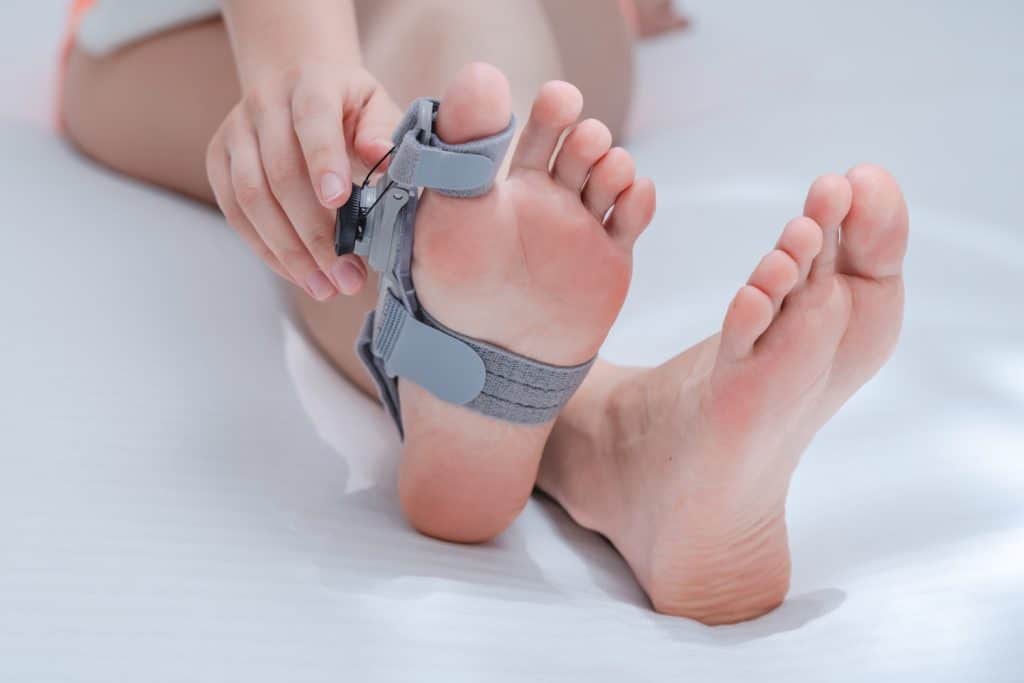
Dr Google’s usual prescription for “how to fix bunions without surgery” is mostly pain relief, which answers a slightly different question. Alongside it, you are likely to see bunion correctors such as splints and toe separators, many sold with claims that they can straighten the big toe. What they actually do is more modest. A night splint holds the toe in a straighter position while you wear it, and a separator stops the big toe pressing on the second toe. For some people, this might ease discomfort.
However, what they haven’t been shown to do is correct the bunion itself, with research finding any change in the toe’s angle to be small and uncertain. At most, they are a comfort aid rather than a fix.
How Do You Know If Non-Surgical Treatment Is Still Enough?
Because non-surgical treatment works on symptoms rather than the bump, the best way to judge it is by how much your bunion affects everyday life. If you can walk, work, and exercise in suitable shoes without pain holding you back, it’s likely doing its job, even though the bump is still there. Some soreness after a busier day is common too, and what matters more is whether it passes.
Over time, though, this can change. Perhaps wider shoes once did the trick, but now the joint aches regardless, or you have started planning your day around the pain. Signs that it might be time to review your approach include:
- Pain that lingers despite several weeks of these measures, or returns more often.
- Fewer and fewer of your shoes fitting comfortably without pressing on the bump.
- Pain starting to limit how far you can walk or which activities you can participate in.
- The big toe leaning further across, or a neighbouring toe that’s starting to bend inwards.
None of these signs automatically means you need a surgical procedure, but they are worth considering. If a specialist does recommend bunion correction, the aim is to relieve pain by realigning the big toe. One way to do this is minimally invasive surgery (MIS), which uses smaller incisions and might allow a quicker return to daily activities. Whether MIS is suitable usually depends on the severity of it, so having your bunion checked sooner can keep more options open. Severity is typically assessed with an examination and imaging, rather than by appearance or symptoms alone.
Is It Time to Have Your Bunion Assessed?
If managing your bunion is starting to feel like a daily effort, it might be time to have the joint looked at more closely. At Oxford Orthopaedics, this starts with checking your symptoms, foot shape and how the big toe moves as you stand and walk. An X-ray, arranged where needed, then shows how far the bones have shifted and whether arthritis is also contributing to your pain.
Following this assessment, Dr James Siow can advise on the approach best suited to your bunion. This might mean refining your non-surgical care or discussing whether surgery would be appropriate and what recovery would involve. To find out what bunion correction could mean for you, please contact the clinic to book an appointment.
