
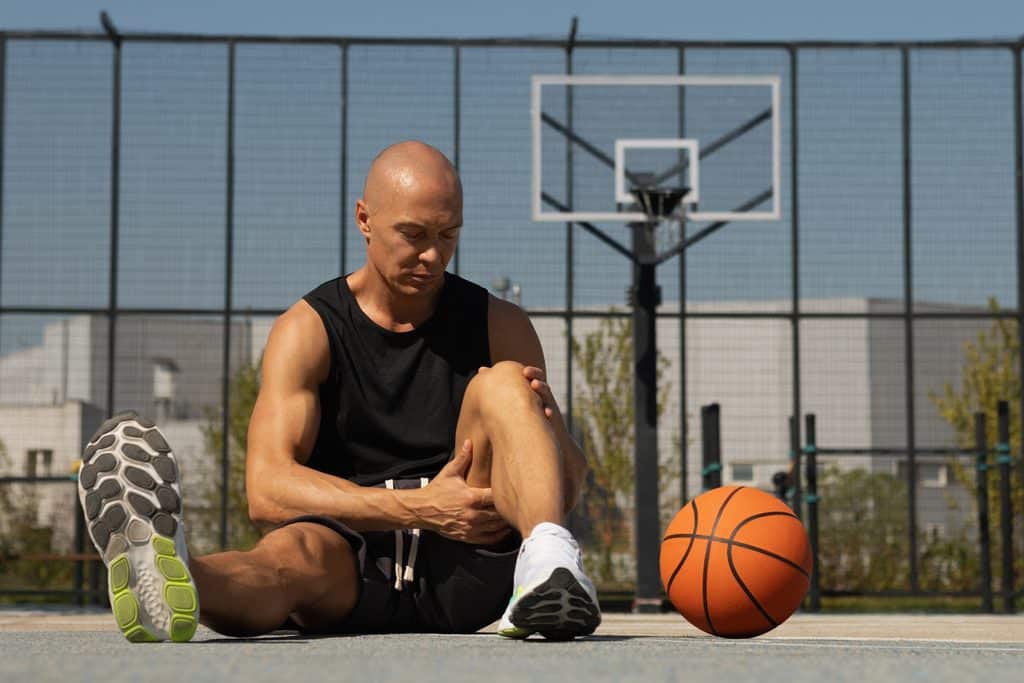
Most patients I see with a suspected anterior cruciate ligament (ACL) tear describe a similar moment: a sudden twist, perhaps a “pop”, and a knee that started swelling soon afterwards and no longer feels quite reliable. By the time they sit down in clinic, the question on their mind is usually this: “Is it my ACL, and will I need surgery?”
It’s a fair question, but over the years I’ve found it isn’t the most useful one. Two people can have tears that look almost identical on magnetic resonance imaging (MRI) and still need quite different treatment. This is because my recommendation rests less on the scan and more on how stable the knee is, what else was damaged, and what the person wants to return to. Some of these differences trace back to the moment of injury itself, which is why my assessment begins there.
What Happens When the ACL Tears?
For most patients, this moment occurs during sports, when the knee twists while bearing weight. A sudden change of direction is a common example, because the foot stays planted while the body keeps turning, and if the knee is nearly straight at that point, it can collapse inward. As this movement alone can overload the ligament, many ACL tears happen without any contact at all, although in contact sports, a tackle or collision can also be responsible.
Whatever the cause, the swelling that follows doesn’t always appear straight away, and in some cases, it isn’t obvious until the next day. Since the knee can feel fairly normal at first, it’s tempting to carry on, but if you’ve just hurt your knee in this way, stop playing and resist the urge to keep testing it. Ice and compression might help settle the swelling while you arrange for the injury to be examined.
Over the following weeks, as the knee settles, the main concern often shifts to stability. This is because the ACL runs inside the knee from the thigh bone (femur) to the shin bone (tibia), where it limits how far the tibia slides forward and helps control rotation. Without it, the knee might buckle, although how much varies: some knees give way on the stairs or when turning a corner, while others cope with walking and jogging and only find the knee giving way, sometimes with knee pain once they return to sports. Where someone falls on this range is one of the first things I try to establish in clinic.
Does Every ACL Tear Need Surgery?
Establishing this starts with a conversation about the injury itself, including how it happened, how quickly the swelling came on, and whether the knee has given way since. I’ll also ask how active you were beforehand, as the demands on the joint differ between playing recreationally and competing at a higher level. Knowing this helps me understand not only what has happened to the knee, but also what it will need to cope with again.
A physical examination then lets me check the ACL alongside the other ligaments of the knee, before an MRI confirms the diagnosis. The scan does more than show the tear, because it can reveal damage to the menisci, two C-shaped cushions of cartilage between the femur and the tibia, or to the smooth hyaline cartilage that covers the ends of these bones, both of which commonly occur alongside an ACL tear.
With this full picture, the question patients arrive with can finally be answered, although the answer varies from one person to the next. Whether surgery is advisable depends on someone’s overall health as well as their symptoms, any associated injuries, and the level of sports they hope to return to, so it’s never a one-size-fits-all decision. When surgery is recommended, it usually involves reconstructing the ACL with a graft rather than a repair, which would mean stitching the torn ligament back together.
ACL Surgery and Recovery Time: What to Expect?
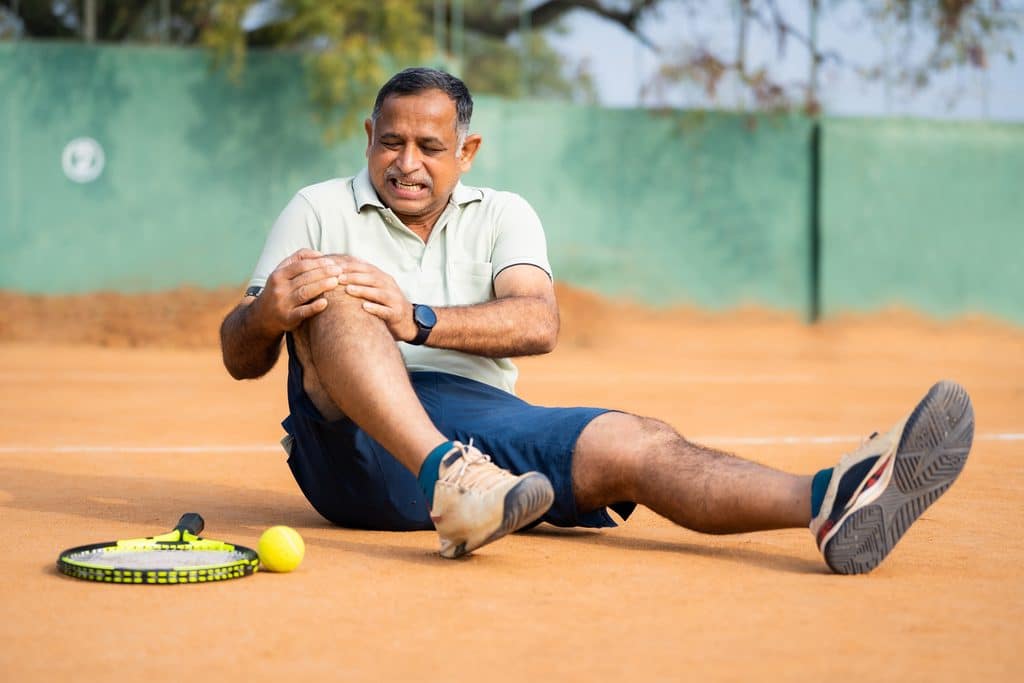
Once surgery has been agreed on, two questions naturally follow: what the operation involves, and how long it will be before returning to sports. Both depend on how the ACL is treated. As mentioned earlier, this usually means reconstructing the ligament rather than repairing it. A repair would mean stitching the torn ends back together, whereas reconstruction replaces it with a new one made from a graft. Because this graft needs time to become established inside the knee, good rehabilitation afterwards is a must, and recovery is measured in months rather than weeks.
What the Operation Involves
A graft can come from one of two sources. An autograft uses tendon taken from the patient’s own body, most commonly the hamstring tendons, the patellar tendon below the kneecap, or the quadriceps tendon above it. An allograft uses tendon from a donor, which is thoroughly cleaned and sterilised beforehand, and since nothing is taken from the patient, it avoids the problems that harvesting a tendon can cause at that site. In selected cases, the graft might also be biologically augmented, an approach that aims to support how it heals.
Whichever graft is used, the operation is performed arthroscopically (keyhole surgery), using a small camera to see inside the joint through a few small incisions. Because this gives a clear view of the whole joint, any meniscus or cartilage damage seen on the scan can usually be treated during the same procedure. Once the operation is over, crutches and a knee brace are typically needed for the early stage of recovery.
Recovery and Returning to Sports
Rehabilitation starts soon after surgery, often while you’re still using crutches, and the first goal is to restore the knee’s range of movement. As the knee begins to bend and straighten well again, the focus moves to gradually strengthening the muscles around it. Over the following months, this work builds towards a return to sports as the final step.
Reaching this point takes time, even for professional athletes, who are typically out for a season despite having full-time medical support. Among recent ACL injuries in football, Paris Saint-Germain’s Khvicha Kvaratskhelia tore his right ACL against Barcelona in October 2026 and is now expected to miss the rest of the season. If recovery from a torn ACL takes this long even for elite footballers, then for most recreational players, around a year is the rough timeline I aim for.
Looking for a Knee Specialist for Your Torn ACL?
From the moment of injury through to the return to sports, every stage of an ACL tear depends on the individual knee. A torn ACL doesn’t necessarily mean giving up the sports or recreational activities you enjoy, but finding the right path starts with a proper evaluation and an open discussion of your treatment options. So, if your knee starts to swell after a twist or is buckling when you turn or change direction, this is where assessment at Oxford Orthopaedics helps provide clarity. Dr Lester Tan can examine the knee, review your imaging, and discuss the treatment approach best suited to you and the sports you hope to return to. To arrange for a consultation, please contact the clinic to book an appointment.
